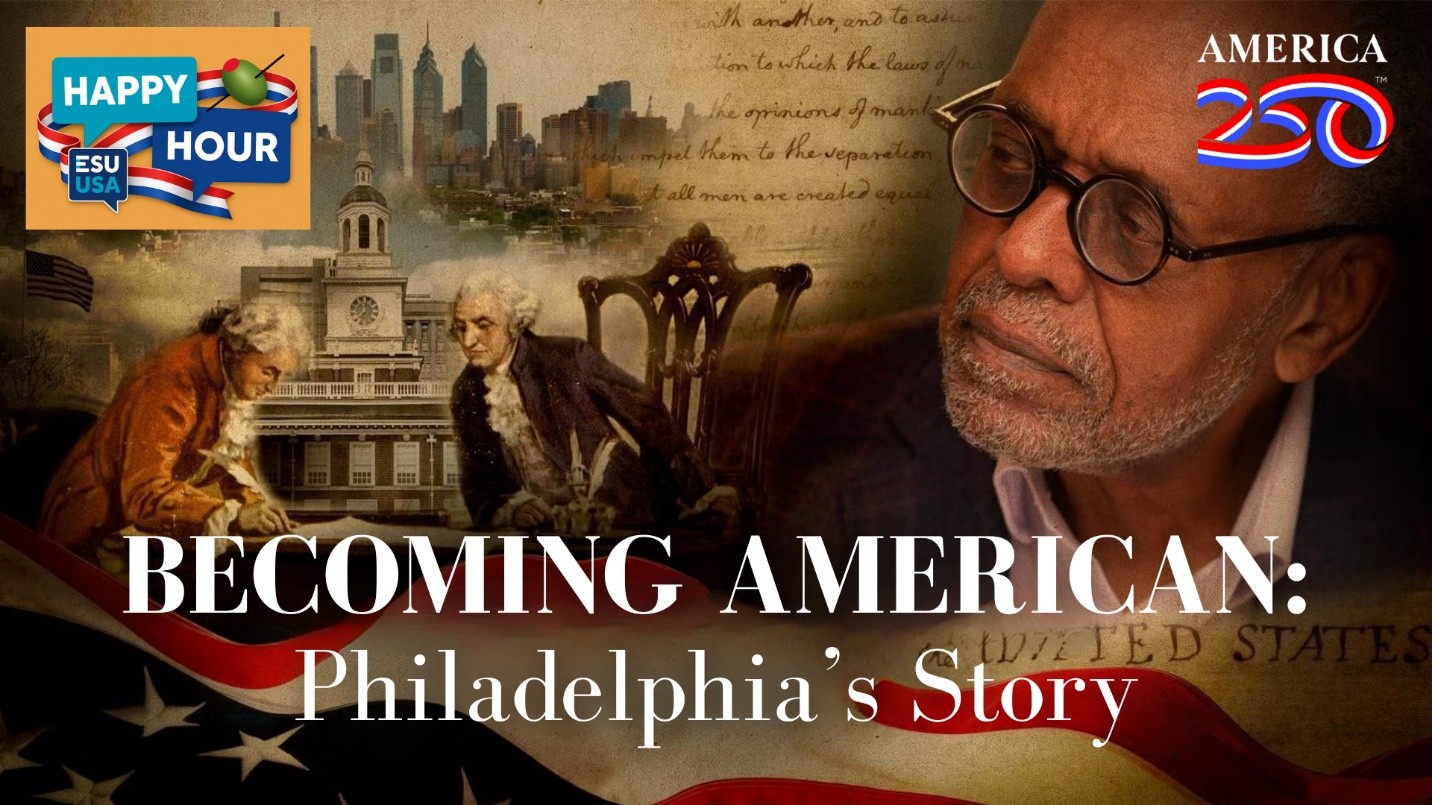
Happy Hour: Becoming American: Philadelphia’s Story
Philadelphia, PA., America’s first capital, held a pivotal role as the cradle of American democracy. When George Washington took the oath of office in 1789, Philadelphia had the largest free […]
Philadelphia, PA., America’s first capital, held a pivotal role as the cradle of American democracy. When George Washington took the oath of office in 1789, Philadelphia had the largest free […]
Unlike commercial radio stations, 90.9 The Bridge is 100% programmed by Kansas City music lovers and funded by members, giving the freedom to include local, community, and undiscovered voices on their airwaves.

Experience the remarkable story behind the Berlin Wall through the words of the man who first warned the world it was coming. In this richly illustrated lecture, Timothy Riley, the Sandra L. and Monroe E. Trout Director and Chief Curator of America’s National Churchill Museum, explores the direct connection between Winston Churchill’s historic 1946 “Iron Curtain” speech in nearby Fulton, Missouri, and the Berlin Wall now on display in Union Station’s Berlin Wall – A World Divided exhibition. Featuring powerful images, compelling stories, and fascinating historical insights, the lecture follows the Cold War from Churchill’s prophetic warning to the dramatic fall of the Berlin Wall in 1989. Discover how a speech delivered just 100 miles from Kansas City helped define one of the twentieth century’s greatest global struggles and why the Wall standing at Union Station remains one of history’s most enduring symbols of the triumph of freedom over tyranny.
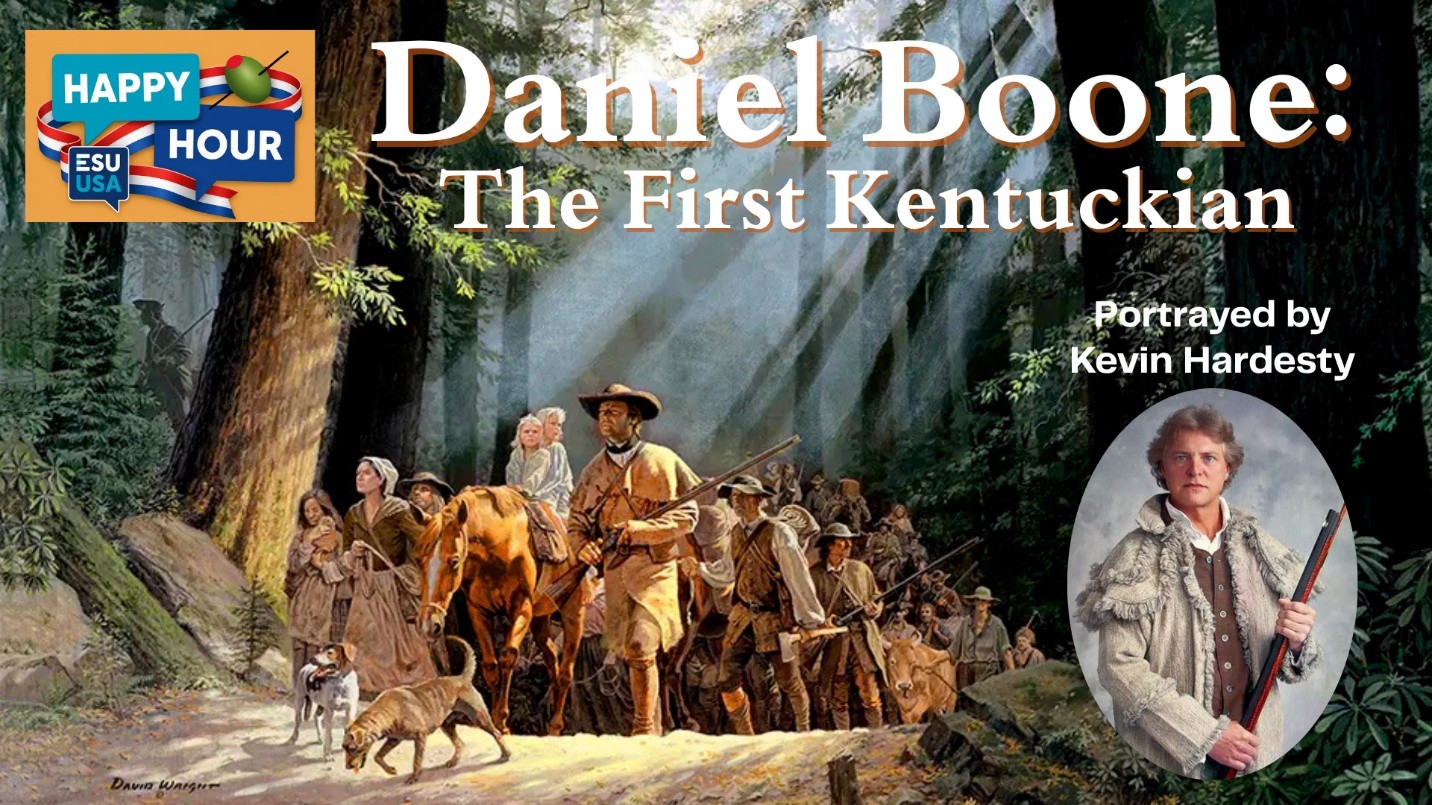
Daniel Boone (1734-1820) was an American pioneer, trailblazer, outdoorsman, revolutionary, and adventurer whose frontier exploits made him one of the first folk heroes of the United States. The story of the early settlement of Kentucky is well documented, and Daniel Boone is most famous for his exploration and settlement of what is now the U.S. state of Kentucky, which was then beyond the western borders of the Thirteen Colonies.
Fear is one of the most powerful and universal human experiences—but what actually happens in our bodies when we become afraid? Dr. Westley Youngren explores the science of fear, from the neural circuits that detect threats to the surprising reasons we sometimes seek out fear for fun. Join us as we explore the biological and social phenomenon of fear and discover why being scared can be both terrifying and fascinating!
AI is all around us—recognizing faces in photos, transcribing speech, answering questions, writing essays, generating code, and much more. But rapidly improving AI is poised to play a much bigger role in all our lives.
In this lecture, Melanie Mitchell, a complexity scientist at the Santa Fe Institute and a highly regarded expert in artificial intelligence, will describe how contemporary AI works, how “intelligent” it really is, and what our expectations—and concerns—about its near-term and long-term prospects should be.

The question may be met with chagrin by traditionalists, but to some, the identity of William Shakespeare is not positively decided. Dr. Felicia Londré, Ph.D, presents a thought-provoking analysis on the Shakespeare authorship question. This free lecture program is at 10:00 am on Thursday, October 29, 2026, on the campus of the University of Missouri at Kansas City. Location on campus to be announced on our website in August. In the meantime, please save the date.
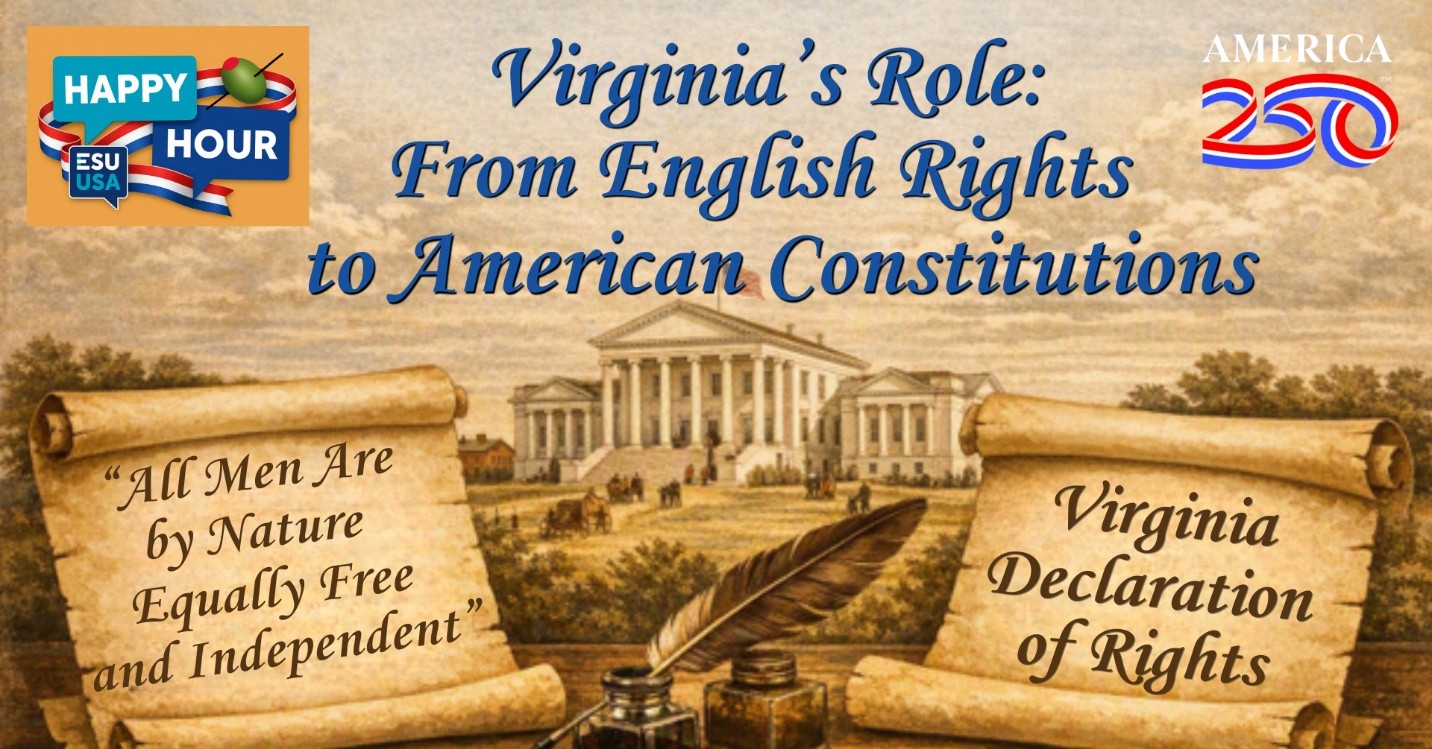
Today our ESU Happy Hour takes us on a journey through the pivotal events that shaped America 250 years ago, this time in the great state of Virginia, where revolutionary ideas became constitutional action. On May 15, 1776, at the Fifth Virginia Convention in Williamsburg, delegates in Philadelphia proposed to transition Virginia from a British colony into an independent commonwealth, to establish a new state government, and urged the Continental Congress to declare full national independence from Great Britain.
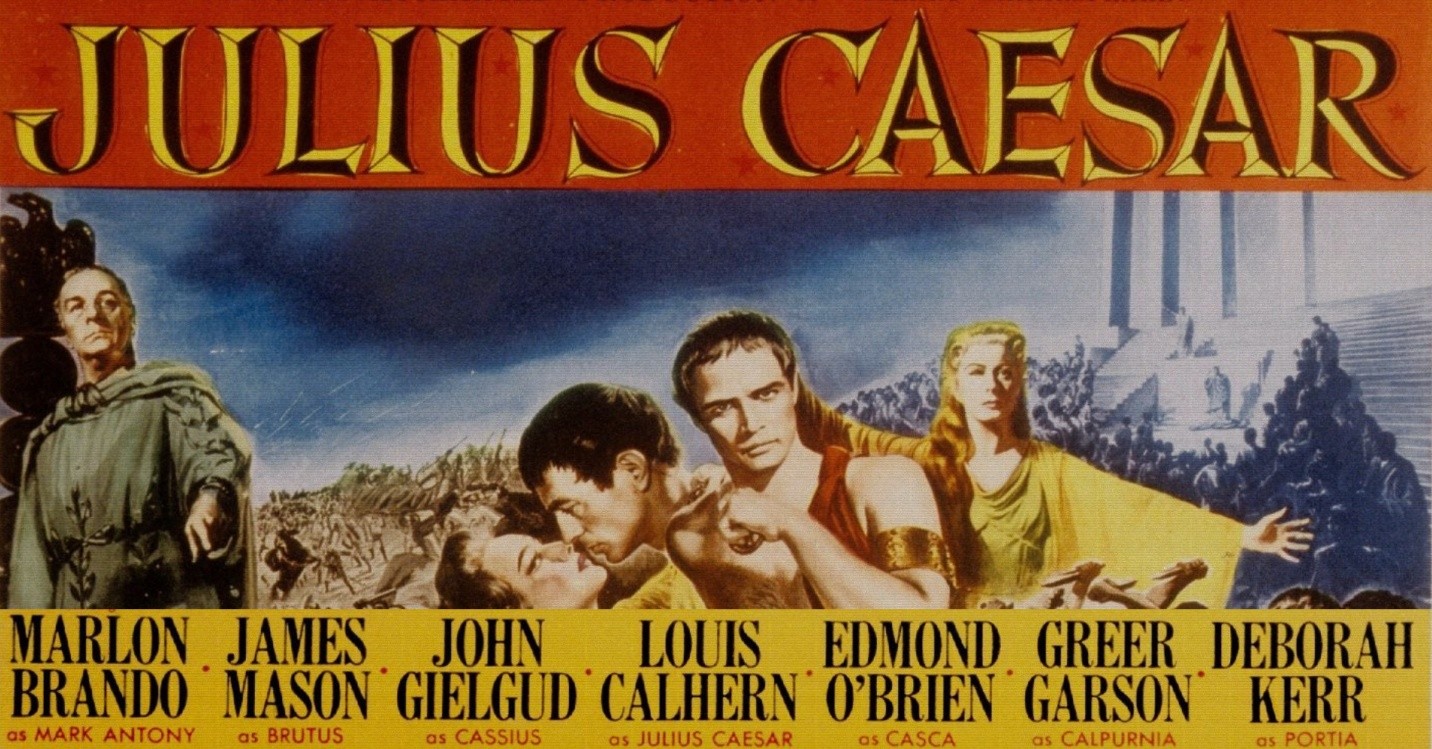
Film buffs will be delighted as The Linda Hall Library presents this 1953 version of Shakespeare’s Julius Caesar. This free morning showing of Shakespeare’s classic has an all-star cast including Marlon Brando as Mark Antony, James Mason as Brutus, John Gielgud as Cassius, Louis Calhern as Julius Caesar, Greer Garson as Calpurnia, and Deborah Kerr as Portia. Directed by the legendary Joseph L. Mankiewicz.
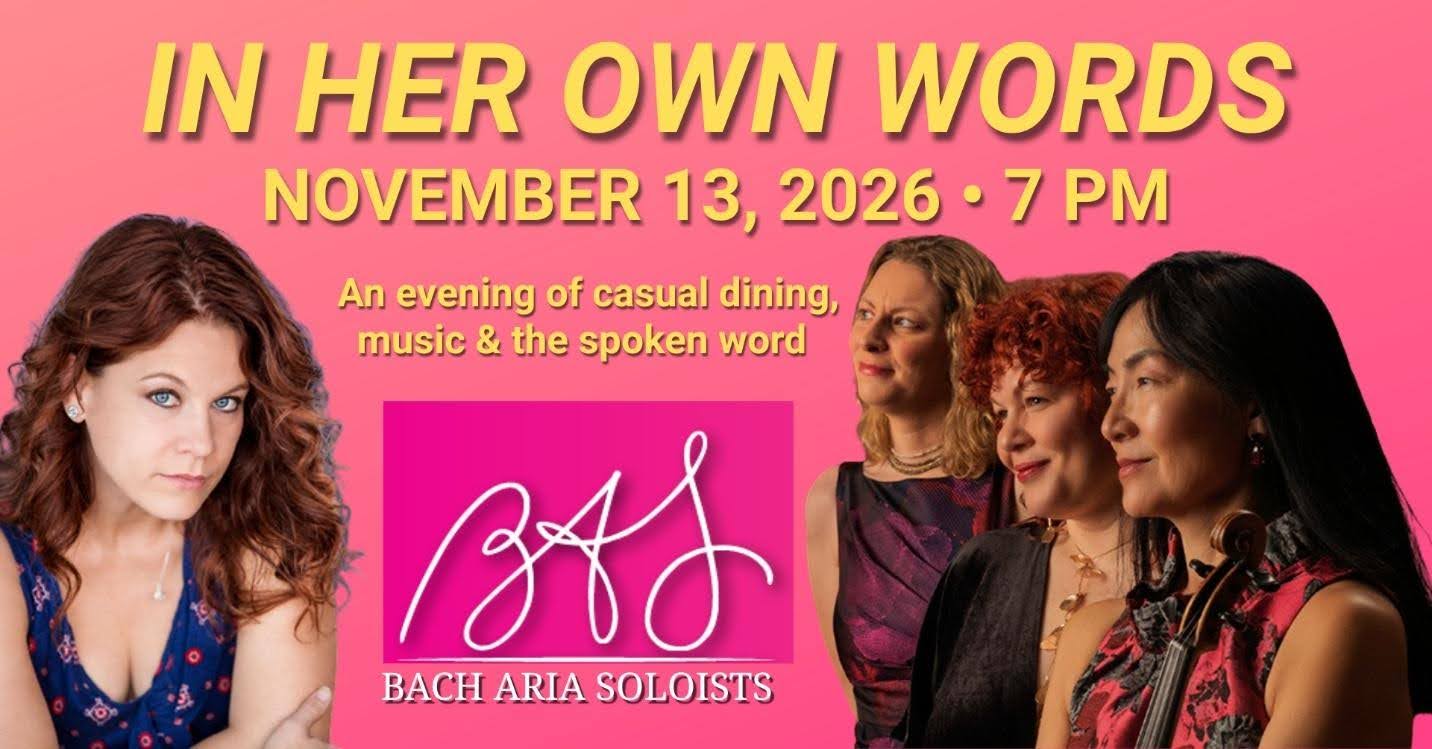
The Bach Aria Soloists ensemble brings a rare glimpse into the private lives of six women composers from the 11th century through modern times. The program “In Her Own Words,” pairs their groundbreaking music through their letters, journals, and published works with the spoken word by the captivating guest actor Cinnamon Schultz Paulette—a powerful celebration of these extraordinary creators. Experience history through the voices of leading women composers.

The British Are Coming! All ESU members and guests are invited to the 39th Annual British Faire sponsored by the Daughters of the British Empire in Kansas. Prepare to be transported across the pond to experience the charm and elegance of a traditional British Faire and Tea. This annual fundraising event benefits retirement communities and local charities.
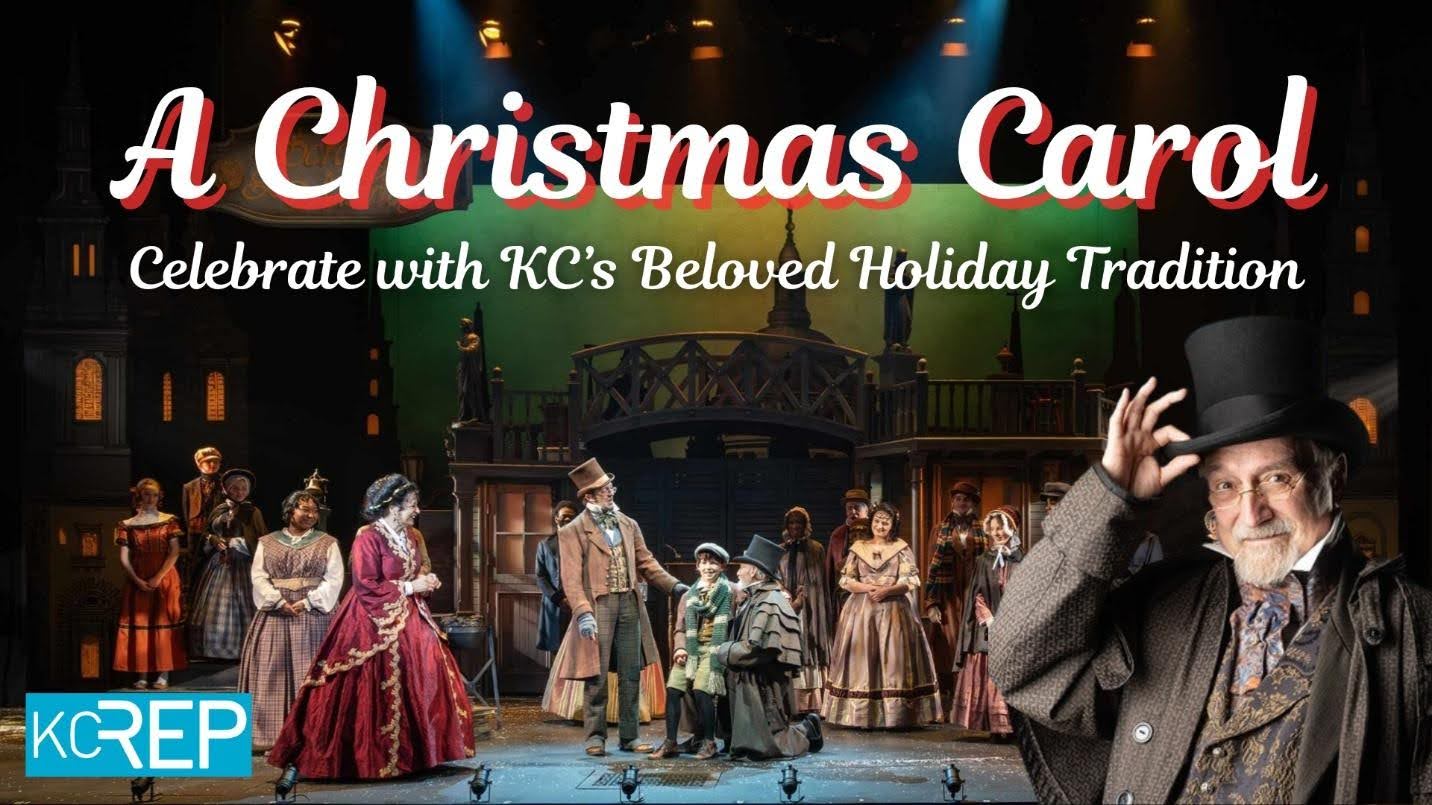
All ESU members and Friends of ESU are invited to this holiday classic produced by KCRep. This production of A Christmas Carol by Charles Dickens is a blend of classic storytelling with lively and energetic performances by an all-star cast.
Christmas in America has a much richer and stranger history than the cozy images we know today. This festive ESU Happy Hour explores why early New Englanders outlawed Christmas, how rowdy wassailing gangs once filled the streets, and how German, Dutch, and English traditions eventually blended into the modern Santa. We’ll trace the journey from medieval St. Nicholas and Alpine mischief-makers to Thomas Nast’s German-American illustrations, the Civil War era’s sentimental reinvention of the holiday, and the 20th-century rise of Rudolph, department-store Santas, Coca-Cola branding, and iconic Christmas foods. With a pint in hand, you’ll learn how a mix of immigrant customs, reform movements, and cultural trends brought today’s version of American Christmas into being.
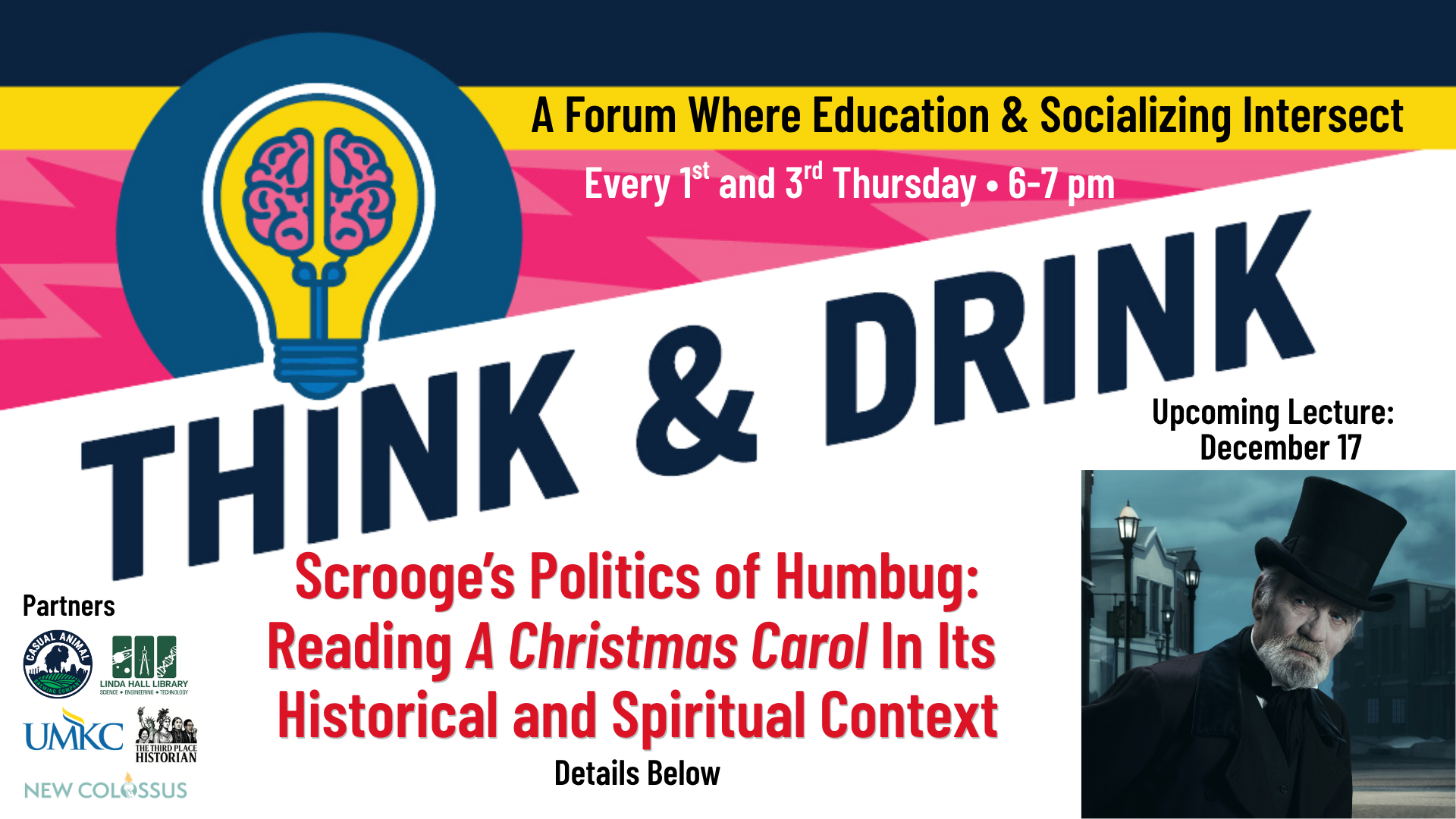
Today, we recognize A Christmas Carol as a morality tale about greed, with Charles Dickens becoming “The Man Who Invented Christmas” by discovering the Christmas spirit. But, in its 1843 context, Dickens’s novella is a deeply political response to the horrors of the Industrial Revolution, the exploitative rise of the British Empire, and the political reaction to the New Poor Law of 1834.