• Happy Hour: The Loyalist and the Patriot

    Step into a gripping dialogue with acclaimed prize-winning historical biographer Flora Fraser and Doug Bradburn, President and CEO of George Washington’s Mount Vernon, as they reexamine the American Revolution through a provocative lens. This conversation challenges the familiar narrative of unity and independence. It reveals a nation divided—neighbors, friends, even families torn apart by opposing allegiances. Was this truly a revolution, or America’s first civil war? Through vivid storytelling and historical insight, Fraser and Bradburn explore the deeply personal conflicts between those who risked everything for independence and those who remained steadfastly loyal to the British Crown.
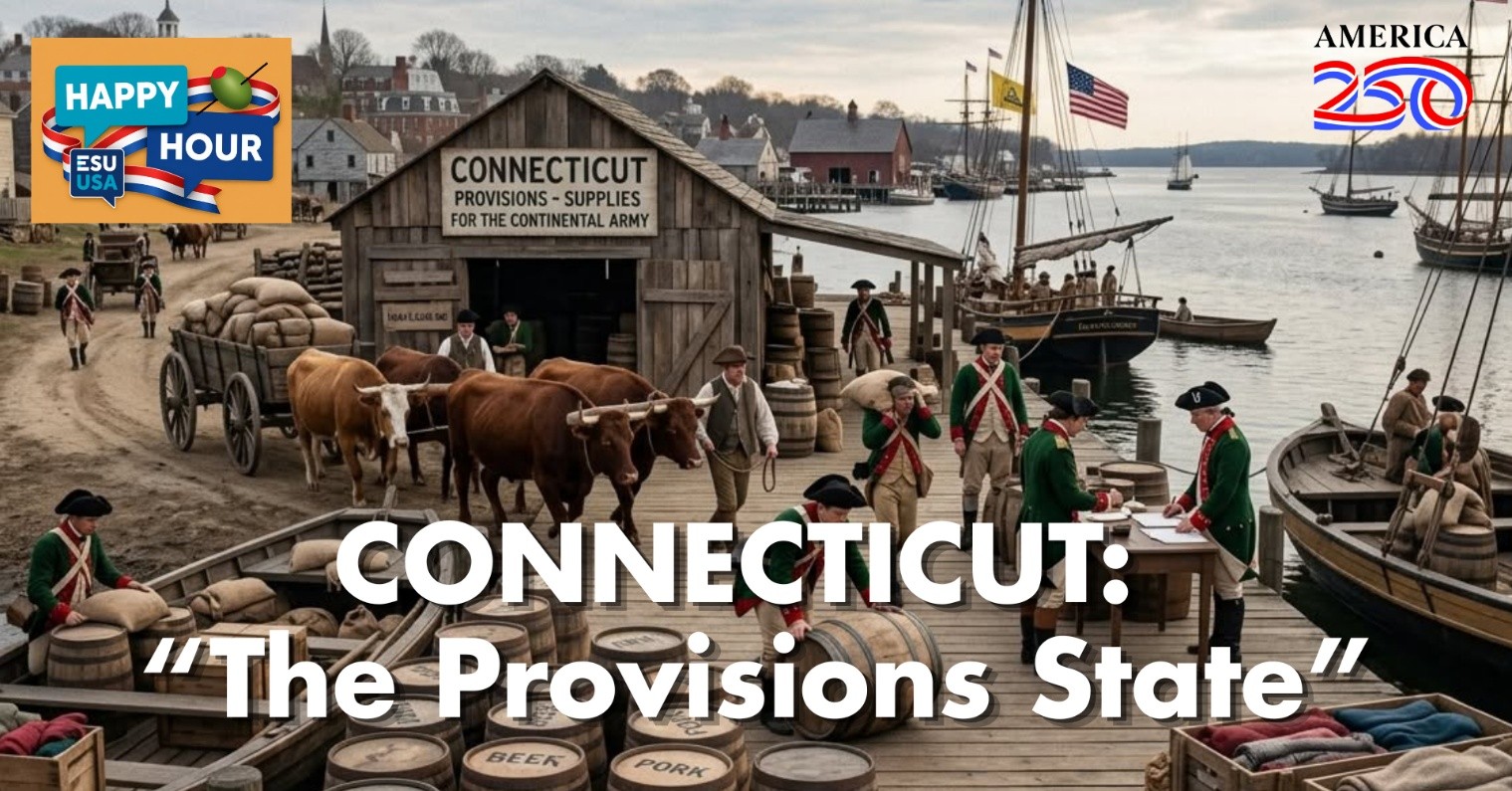
  • Happy Hour: Connecticut: “The Provisions State”

    As ESU Happy Hours continue to salute America’s 250th birthday, we turn to the great state of Connecticut. By the mid-to-late 1700s, western Connecticut had developed as a quiet, agricultural “backwater,” insulated from the politics and secessionist turmoil of the big colonial cities. Nevertheless, during the Revolutionary War, Connecticut earned the nickname “The Provisions State,” by supplying vast amounts of meat, grain, clothing, and weaponry to General George Washington’s Continental Army, and was second only to Massachusetts in the number of men serving in the war.

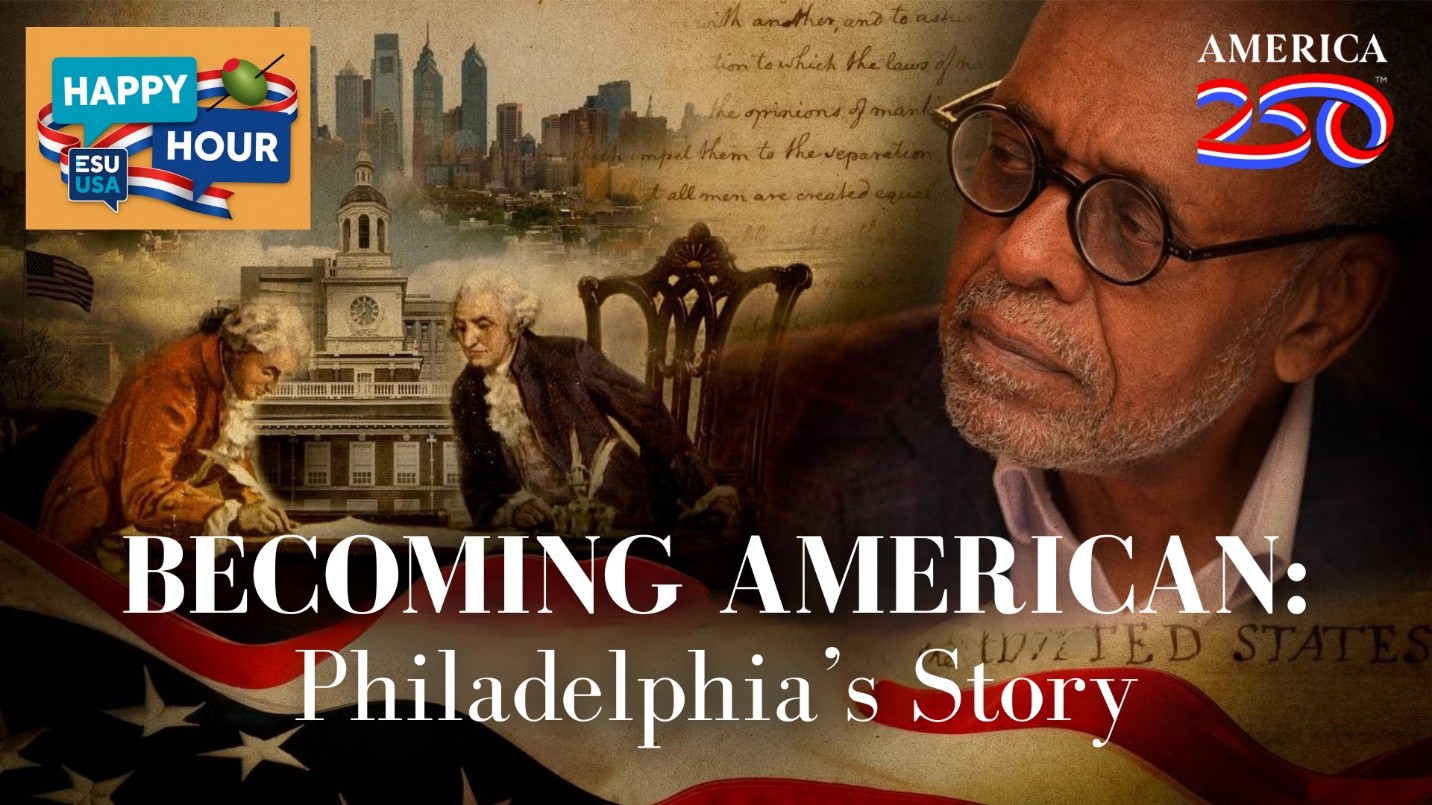
  • Happy Hour: Becoming American: Philadelphia’s Story

    Philadelphia, PA., America’s first capital, held a pivotal role as the cradle of American democracy. When George Washington took the oath of office in 1789, Philadelphia had the largest free and literate community of Africans in the entire British Atlantic. This community raised families, built institutions, created opportunities for self-emancipated Africans to continue north, fought for equal rights, and they participated in public life. They exemplified the ideals of the new republic.

  • Happy Hour: Daniel Boone: The First Kentuckian

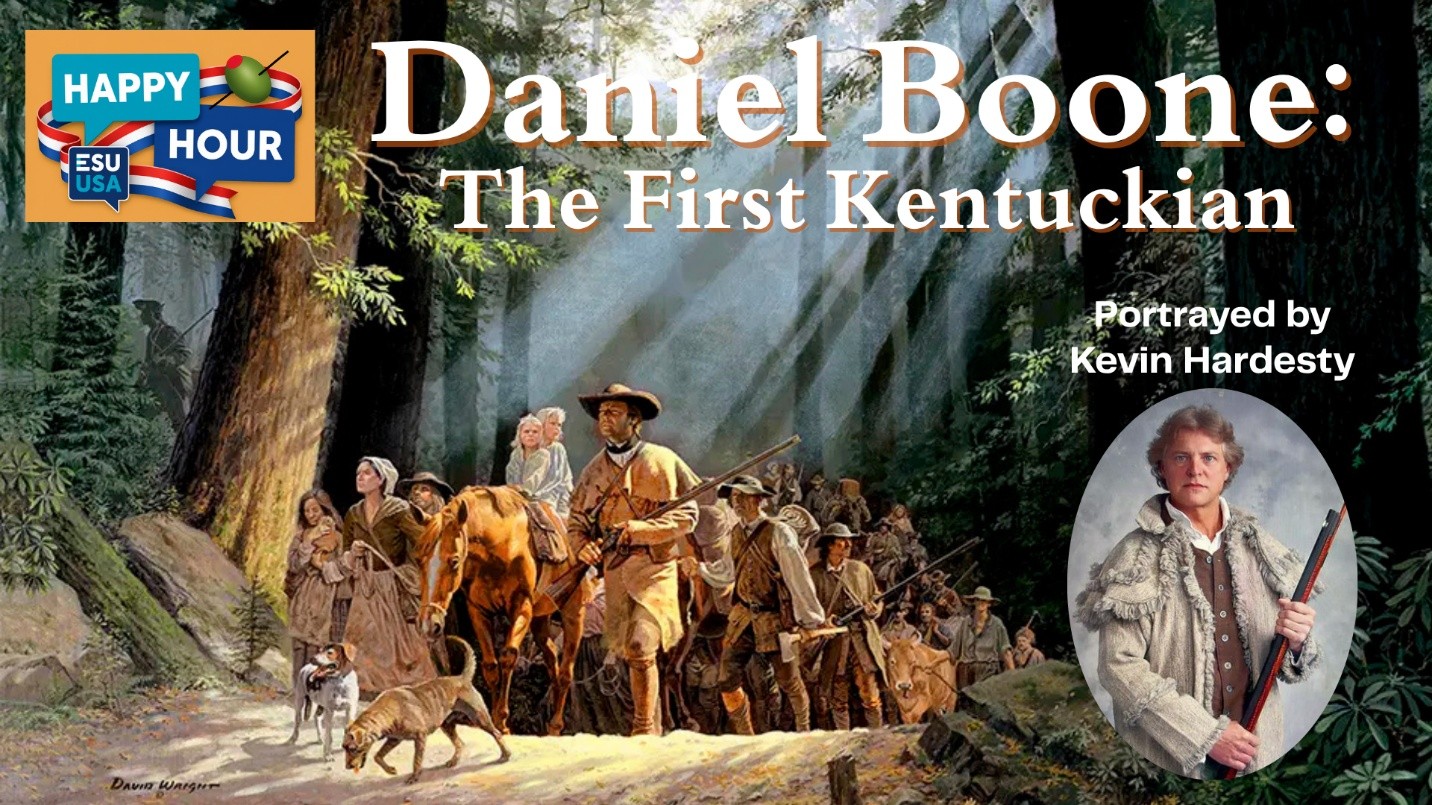
    Daniel Boone (1734-1820) was an American pioneer, trailblazer, outdoorsman, revolutionary, and adventurer whose frontier exploits made him one of the first folk heroes of the United States. The story of the early settlement of Kentucky is well documented, and Daniel Boone is most famous for his exploration and settlement of what is now the U.S. state of Kentucky, which was then beyond the western borders of the Thirteen Colonies.

  • Shakespeare in Action – Teaching Through Performance

    English-Speaking Union Headquarters & Via Zoom

    In this interactive session, held at ESU Headquarters in NYC and online via Zoom, Natasha will share practical strategies for bringing Shakespeare to life in your classroom. Teachers will explore […]

  • Happy Hour: Virginia’s Role: From English Rights to American Constitutions

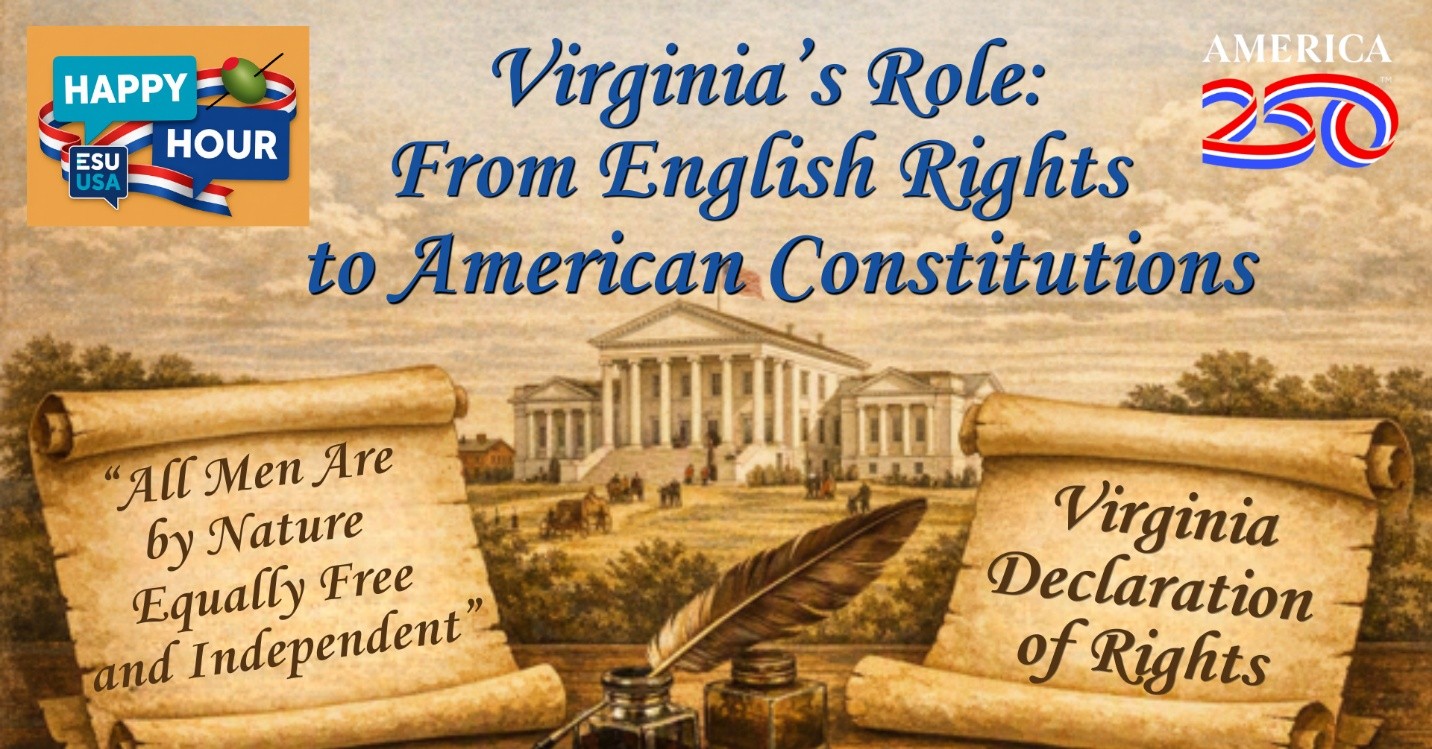
    Today our ESU Happy Hour takes us on a journey through the pivotal events that shaped America 250 years ago, this time in the great state of Virginia, where revolutionary ideas became constitutional action. On May 15, 1776, at the Fifth Virginia Convention in Williamsburg, delegates in Philadelphia proposed to transition Virginia from a British colony into an independent commonwealth, to establish a new state government, and urged the Continental Congress to declare full national independence from Great Britain.

  • Happy Hour: The Surprising History of Santa and Christmas Traditions in America

    Christmas in America has a much richer and stranger history than the cozy images we know today. This festive ESU Happy Hour explores why early New Englanders outlawed Christmas, how rowdy wassailing gangs once filled the streets, and how German, Dutch, and English traditions eventually blended into the modern Santa. We’ll trace the journey from medieval St. Nicholas and Alpine mischief-makers to Thomas Nast’s German-American illustrations, the Civil War era’s sentimental reinvention of the holiday, and the 20th-century rise of Rudolph, department-store Santas, Coca-Cola branding, and iconic Christmas foods. With a pint in hand, you’ll learn how a mix of immigrant customs, reform movements, and cultural trends brought today’s version of American Christmas into being.